Article by
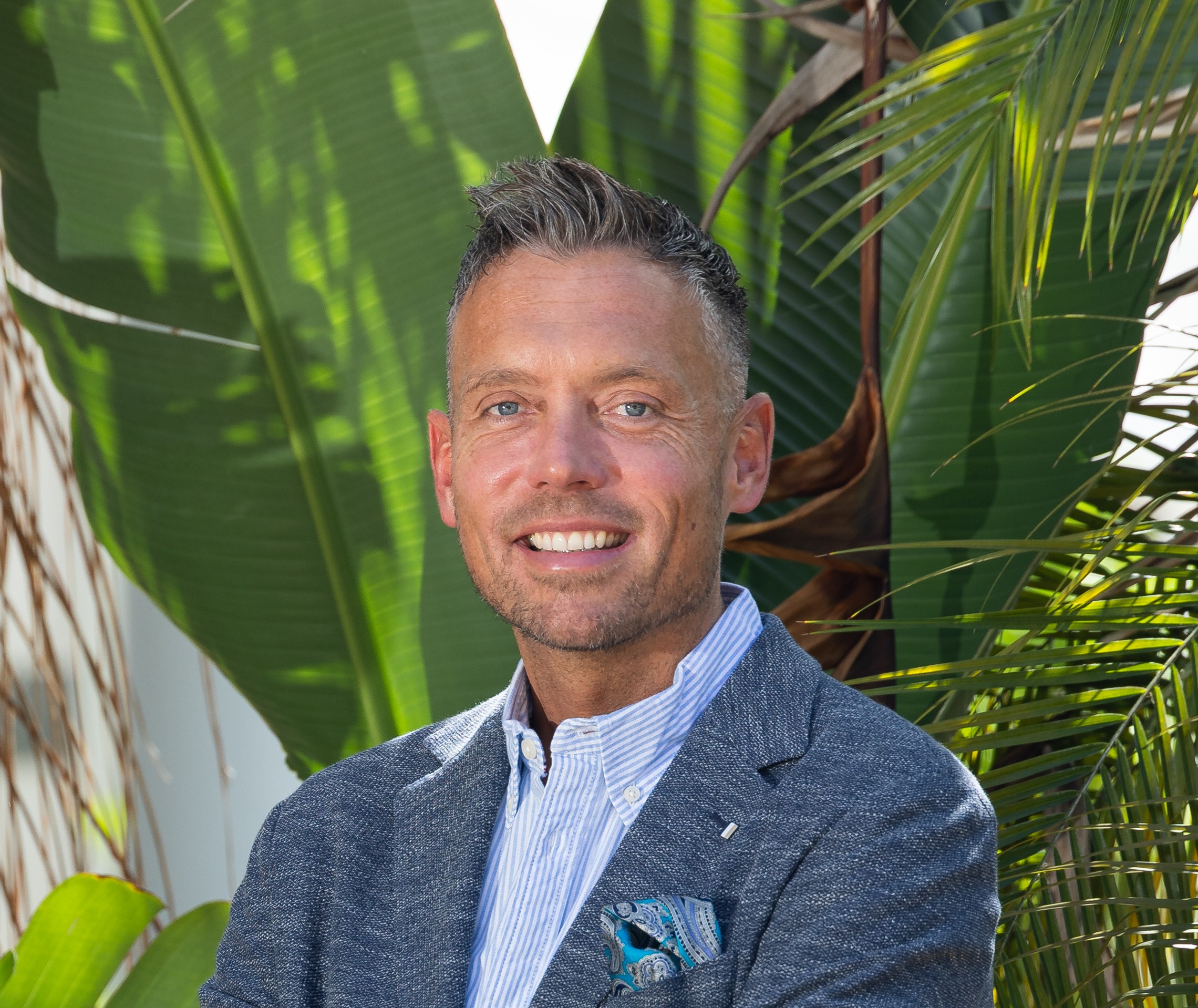
Scott Ward MBA CCMI
Scott Ward is the founder and CEO of Humanise Solutions, which he established three years ago to help organisations elevate their people, leadership and culture through a human-centric, evidence-based approach. Before moving into business and academia, Scott spent seven years as a professional footballer, playing for Luton Town, Crawley Town and Coventry City FC until injury brought his playing career to a close — a turning point that shaped both his research interests and his approach to leadership.
Scott holds an MBA from Warwick Business School, where his research explored the causal relationship between trauma and decision-making — work that continues to inform how he supports young adults, leaders and teams under pressure. Recognised as a Companion of the Chartered Management Institute (CCMI), its highest grade of membership, he combines academic rigour with the discipline, resilience and team-first mindset of the professional game. At the heart of everything he does is a simple belief: that people perform at their best when they are led, developed and valued as human beings first.
What if the very management styles designed to drive efficiency are actually the primary cause of your talent drain? You’ve likely felt the tension of a workplace where high turnover amongst Gen Z talent and a sterile corporate culture stifle the very innovation you need to thrive. When leadership teams lack emotional intelligence, the resulting atmosphere can feel more like a transaction than a community. We believe the solution lies in nurturing leadership skills to replace outdated command-and-control habits with empathy and genuine connection.
We understand that you want a more resilient, engaged workforce where people feel truly seen. Discover how to transform your organisational culture by moving toward a nurturing leadership model that drives sustainable performance and human flourishing. This shift isn’t just about being “kind”; it’s a rigorous, evidence-based framework for excellence that balances the needs of the individual with the goals of the business.
In this guide, we’ll discover how to manage wellbeing alongside performance whilst building a clear roadmap for internal talent development. You’ll learn the specific steps required to move from a current state of friction to a future of human-centric potential.
Key Takeaways
- Understand the shift from traditional command-and-control to a model that prioritises the intentional cultivation of human potential and empathy.
- Explore the science behind psychological safety and how it rewires your organisation’s response to failure, innovation, and growth.
- Discover the tangible commercial ROI of nurturing leadership skills, including lower staff turnover and significantly higher levels of employee engagement.
- Access a practical framework to audit your internal culture and remove the structural barriers that prevent your future leaders from flourishing.
- Learn how bespoke development programmes can bridge the gap between current challenges and a resilient, human-centric future.
What Does Nurturing Leadership Skills Actually Mean in 2026?
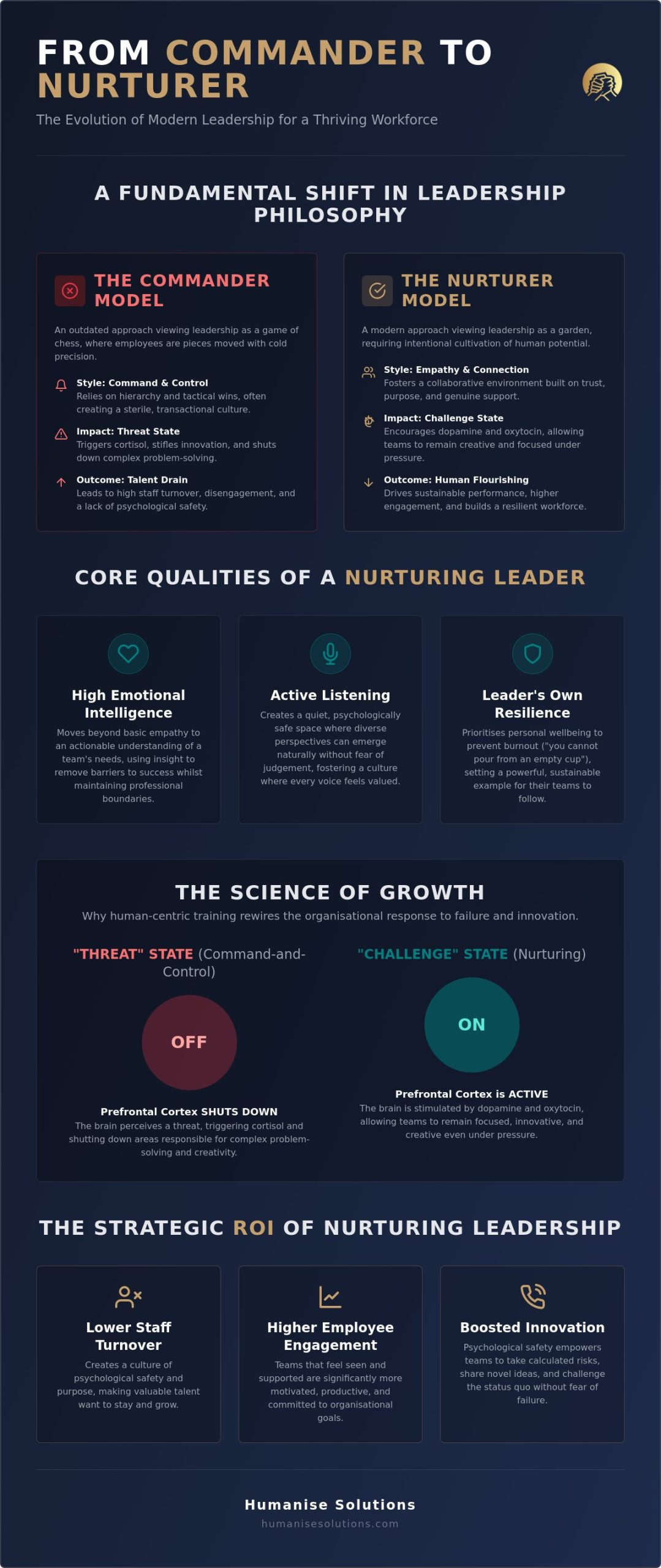
Traditional management often feels like a game of chess, where pieces are moved with cold precision to achieve a tactical win. In 2026, this “commander” model is rapidly becoming obsolete. True excellence now requires a transition toward the “nurturer” model. This isn’t about adopting a soft alternative to discipline; it’s the intentional cultivation of potential through empathy and evidence-based support. We view leadership as an active garden rather than a static hierarchy. A garden requires constant attention to the soil, the climate, and the unique needs of each plant. Similarly, nurturing leadership skills involves creating the right environment for people to flourish whilst ensuring the organisation meets its strategic goals.
The 2026 workforce, particularly amongst Gen Z and early-career talent, demands more than a paycheque. They seek psychological safety and a sense of purpose. As AI takes over technical and administrative tasks, the value of a leader shifts toward what machines cannot replicate: the ability to build trust and inspire resilience. Modern Leadership development must move beyond simple competency checklists to focus on the psychological well-being of the collective. It’s a shift from seeing employees as assets to be used, to seeing them as individuals to be grown.
The Core Qualities of a Nurturing Leader
Nurturing leaders possess a high degree of emotional intelligence. They move beyond basic empathy to an actionable understanding of their team’s needs, all whilst maintaining clear professional boundaries. This isn’t just about “feeling” for someone; it’s about using that insight to remove barriers to their success. Active listening is equally vital. It’s about creating a quiet space where diverse perspectives can emerge naturally without fear of judgement. Finally, a leader’s own resilience provides the foundation. You cannot pour from an empty cup. By prioritising their own wellbeing, leaders set a powerful example of sustainable performance for their teams to follow.
From “I” to “We”: The Shift in Perspective
The transition from individual achievement to collective excellence marks the point where a manager becomes a true leader. The most successful UK firms are moving away from a hero-culture where one person takes the credit, opting instead for collaborative leadership models. This evolution requires a significant amount of humility. When a leader is humble, they foster a culture where every voice feels valued and every contribution is recognised. This shift in perspective ensures that the focus remains on the team’s growth. By nurturing leadership skills across all levels, organisations build a deep bench of talent ready to face future challenges with confidence and shared purpose.
The Science of Growth: Why Human-Centric Training Outperforms Traditional Models
Traditional corporate training often focuses on compliance and “tick-box” exercises. These models fail because they ignore how the human brain actually learns and adapts. Human-centric training, however, is rooted in the psychological foundations of growth. When we focus on nurturing leadership skills, we aren’t just teaching a syllabus; we’re rewiring the organisational response to failure and innovation. This approach recognises that people are not static assets but dynamic biological systems that respond to their environment.
The nervous system plays a critical role in team performance. When a leader relies on command-and-control, the brain perceives a “threat” state, triggering cortisol and shutting down the prefrontal cortex; this is the area responsible for complex problem-solving. By contrast, a nurturing approach creates a “challenge” state. This environment encourages dopamine and oxytocin, allowing teams to remain focused and creative even under pressure. Innovation thrives here. It’s the difference between a team that works out of fear and one that works out of inspiration.
Psychological Safety as a Catalyst for Excellence
Psychological safety is the bedrock of any high-performing team. It’s the belief that one won’t be punished for making a mistake or speaking up. Nurturing leaders model vulnerability, which signals to the team that it’s safe to be human. This sense of being humanised at work is the primary driver for creative risk-taking. Without it, innovation is impossible. Effective safety involves:
- Modelling vulnerability to build deep trust amongst peers.
- Encouraging high-stakes decision-making without the fear of retribution.
- Fostering an environment where every voice feels valued and heard.
Sustainable Development vs. Short-Term Wins
Intensive, one-off workshops often lead to “inspiration decay,” where the lessons are forgotten within weeks. Long-term, bespoke programmes succeed because they allow for rhythmic learning. This involves cycles of instruction, real-world application, and reflection. A robust framework for leadership development should prioritise these long-term behavioural changes over quick fixes. Change takes time. It requires a steady, methodical pace that builds trust and competence simultaneously.
Measuring the impact of these programmes requires looking at organisational health indicators like staff turnover and internal promotion rates. By nurturing leadership skills through tailored interventions, you ensure that the growth is sustainable and deeply rooted in your company culture. If you’re ready to move beyond generic training, our bespoke Learning & Development programmes are designed to meet your specific cultural needs and drive lasting excellence.
Debunking the ‘Soft Skill’ Myth: The Strategic ROI of Empathetic Leadership
There’s a persistent misconception in some UK boardrooms that empathy and nurturing are “soft” traits, perhaps better suited to a therapist’s chair than a CEO’s office. This view is not only outdated; it’s commercially dangerous. Nurturing is a rigorous, strategic discipline. When we talk about nurturing leadership skills, we’re discussing the intentional management of an organisation’s most volatile and valuable asset: its people. Far from being a luxury, this human-centric approach is a primary driver of sustainable profit. Evidence suggests that business units with top-quartile employee engagement see 23% higher profitability compared to those in the bottom quartile. This isn’t a coincidence. It’s the direct result of leaders who understand how to cultivate a high-performance environment through connection rather than coercion.
The “Wellbeing ROI” is equally compelling. Healthy, engaged teams show significantly less absenteeism and higher levels of discretionary effort. When a workforce feels humanised, they don’t just show up to perform tasks; they invest their creative energy into the company’s success. This shift directly impacts the bottom line by reducing the friction caused by “quiet cracking” and manager burnout. By moving away from a sterile corporate culture, firms can unlock hidden capacity within their existing teams, driving efficiency without the need for constant, high-pressure oversight.
Reducing Staff Turnover Through Human Development
The cost of losing talent in the UK is staggering, often exceeding £30,000 to replace a single professional when recruitment fees, onboarding, and lost productivity are factored in. Investing in nurturing leadership skills is a far more cost-effective strategy. For Gen Z and early-career talent, a sense of belonging and professional growth are non-negotiable. They aren’t just looking for a job; they’re looking for a mentor. When leaders master essential leadership skills like emotional intelligence and active listening, they become talent magnets. This reduces the constant churn of recruitment and allows the organisation to build deep, institutional knowledge that remains within the business.
Cultivating Team Excellence and Performance
Excellence emerges when a leader stops managing tasks and starts nurturing talent. This transition allows for diverse thinking and inclusive leadership, which are proven to drive better business outcomes. UK organisations that have flourished by putting people first often report that their teams are more adaptable and resilient during periods of economic volatility. By fostering a culture where every voice feels valued, leaders can identify risks earlier and seize opportunities faster. It’s a pragmatic shift from a hero-culture to a collaborative one, where the collective intelligence of the team becomes the company’s greatest competitive advantage.
A Practical Framework for Cultivating Future Leaders Within Your Organisation
Transforming an organisation’s culture requires more than a simple policy change. It demands a deliberate, methodical approach to nurturing leadership skills at every level. By moving from a static hierarchy to a dynamic ecosystem, you can create a workplace where excellence is a natural byproduct of human flourishing. This transition isn’t an overnight event. It is a steady journey of development that we approach with both logic and empathy.
To begin this transformation, we recommend a five-step framework designed to embed sustainable behaviours:
- Step 1: Audit the current culture. Identify specific areas where a traditional “command” style is stifling innovation or causing friction. Look for signs of “quiet cracking” or high turnover.
- Step 2: Define human-centric excellence. Determine what success looks like for your firm beyond basic KPIs. This might include metrics for psychological safety, team cohesion, and individual growth.
- Step 3: Implement bespoke learning paths. Avoid generic training. Instead, create tailored tracks for different cohorts, such as emerging talent or senior executives, to address their unique challenges.
- Step 4: Establish mentorship and coaching circles. New behaviours only stick when they’re supported by social connection. Use peer-to-peer coaching to embed empathy and active listening into daily routines.
- Step 5: Measure, iterate, and celebrate. Track your progress through engagement surveys and retention rates. Celebrate the small wins to maintain momentum and build trust in the process.
Specialised Focus: Women in Leadership
A “one size fits all” approach to leadership training often fails because it excludes the unique social dynamics women navigate in the professional world. Nurturing confidence and resilience requires a specific focus on the internal and external barriers that can prevent female talent from reaching senior levels. By creating inclusive environments and offering tailored Women leadership programmes, organisations can ensure their leadership pipeline is both diverse and resilient.
Nurturing the Next Generation: Young Adult Professional Development
Bridging the gap between education and the workforce is essential for long-term organisational health. Many early-career professionals feel overwhelmed by a sterile corporate culture that lacks emotional intelligence. By nurturing leadership skills early, you support social mobility and help young adults build the foundational qualities they need for the future. Retaining Gen Z talent isn’t about office perks. It’s about providing clear, human-centric paths for professional growth and ensuring they feel truly seen and valued from day one. Our Young Adult Programmes are designed to bridge this gap, fostering the skills required for a lifetime of excellence.
Elevating Your Culture Through Bespoke Leadership Development Programmes
Moving from a traditional command-and-control hierarchy to a human-centric model is a significant undertaking. It’s a journey that requires more than just a change in policy; it demands a fundamental shift in how we perceive the relationship between a leader and their team. Finding an expert partner who understands that nurturing leadership skills is about human flourishing, not just corporate compliance, is essential for lasting change. At Humanise Solutions, we don’t believe in sterile, detached consulting. We offer a sophisticated blend of empathetic warmth and evidence-based confidence, ensuring your transformation is rooted in both psychological logic and genuine care.
Our bespoke programmes are designed to fit the unique DNA of your organisation. We recognise that every firm has its own history, challenges, and aspirations. By working as a partner rather than a distant advisor, we help you cultivate an environment where people feel safe to innovate and grow. This tailored approach ensures that the development we provide isn’t just a temporary boost, but a sustainable foundation for long-term excellence. It’s about moving toward a future where your leaders are equipped to handle the complexities of a modern, diverse workforce with grace and resilience.
The Humanise Solutions Partnership Model
We don’t just deliver training modules; we co-create a culture of flourishing and team excellence. In the post-pandemic professional world, the expectations of the workforce have shifted. People no longer accept a workplace that ignores their well-being. We view wellbeing as the primary fuel for performance, rather than a byproduct of it. When your people feel humanised and supported, they invest their best creative energy into the business. Our specialised tracks for women in leadership and young adult professional development address specific organisational gaps that generic training often misses, ensuring that every cohort within your business has a clear path to success.
Next Steps: Starting Your Transformation
Transformation begins with a single, deliberate choice. This week, try to identify one specific interaction amongst your team where a more nurturing approach could make a difference. Perhaps it’s a feedback session that could benefit from deeper empathy, or a project meeting where you could create more space for diverse voices. Small, consistent changes build the trust required for larger cultural shifts. We invite you to explore our range of bespoke Learning & Development initiatives to see how we can support your journey. By nurturing leadership skills through a bespoke lens, you can bridge the gap between your current challenges and your future potential.
Discover how Humanise Solutions can help you nurture the leaders of tomorrow.
Cultivating Your Future Leadership Landscape
The transition from traditional command models to human-centric ones isn’t just a trend; it’s a necessity for organisations that want to thrive. We’ve explored how nurturing leadership skills creates a resilient environment where innovation is the natural byproduct of psychological safety. By treating leadership as an active garden rather than a static hierarchy, you can unlock the hidden potential within your existing teams whilst significantly reducing the costs of talent turnover.
Meaningful change takes time and care, but the rewards are profound. Whether you’re supporting women in leadership or guiding the next generation through specialised tracks for early careers, the focus must remain on sustainable growth and human flourishing. Our evidence-based approach ensures that wellbeing becomes the fuel for your performance, rather than an afterthought. We’re here to act as your partner in this journey of development, providing expert-led bespoke programmes tailored to your unique organisational needs.
The potential for excellence is already within your team; it simply needs the right environment to bloom. Begin your journey towards team excellence with Humanise Solutions. We look forward to helping you build a workplace where both your people and your business can truly flourish.
Frequently Asked Questions
What are the most important nurturing leadership skills to develop first?
Emotional intelligence and active listening are the fundamental pillars to prioritise. These skills allow a leader to move beyond simple task management to an actionable understanding of their team’s needs. By creating a space where diverse perspectives are heard, you build the trust necessary for psychological safety and long-term team excellence.
Is nurturing leadership effective in high-pressure corporate environments?
Nurturing leadership is actually most effective in high-pressure settings because it builds collective resilience. Instead of triggering a “threat” response in the nervous system, this approach fosters a “challenge” state that keeps the brain’s problem-solving centres active. It prevents the burnout and “quiet cracking” often seen in sterile, high-stress cultures.
How does a leadership development programme improve employee retention?
People stay where they feel seen and valued as individuals rather than just assets. A structured programme demonstrates a clear investment in a person’s future potential, which is a significant “talent magnet” for Gen Z and early-career professionals. This sense of belonging directly reduces the high costs associated with staff turnover in the UK.
Can nurturing leadership skills be taught, or are people born with them?
These are definitely learnable behaviours rooted in neuroplasticity and habit formation. Whilst some individuals may have a natural inclination toward empathy, nurturing leadership skills can be developed through methodical, evidence-based training and consistent practice. It’s about shifting one’s perspective from individual achievement to collective growth over time.
What is the difference between management and nurturing leadership?
Management focuses on the “what”-the specific tasks, deadlines, and KPIs required to reach a goal. Nurturing leadership focuses on the “who” and the “how,” prioritising the cultivation of the people doing the work. One is a transaction designed for short-term efficiency; the other is a transformation designed for sustainable excellence and human flourishing.
How can we support young adults in developing leadership skills early in their careers?
Early-career talent benefits most from mentorship circles and social mobility training that bridges the gap between education and the professional world. By providing young adults with foundational leadership responsibilities in a safe, supportive environment, you help them build the confidence they need to become the resilient leaders of tomorrow.
Why is a bespoke leadership programme better than a standard training course?
Standard training often relies on “tick-box” exercises that don’t account for the unique DNA of your organisation. A bespoke programme begins with a cultural audit to identify your specific friction points. This tailored approach ensures the training is relevant, relatable, and capable of driving deep-rooted behavioural change that lasts long after the workshop ends.
How do you measure the success of a human-centric leadership initiative?
Success is measured through a combination of hard data and cultural indicators. You should track improvements in staff retention rates, internal promotion data, and absenteeism. Additionally, regular engagement surveys can provide insights into the levels of psychological safety and team cohesion within the business, reflecting the true impact of nurturing leadership skills.