Article by
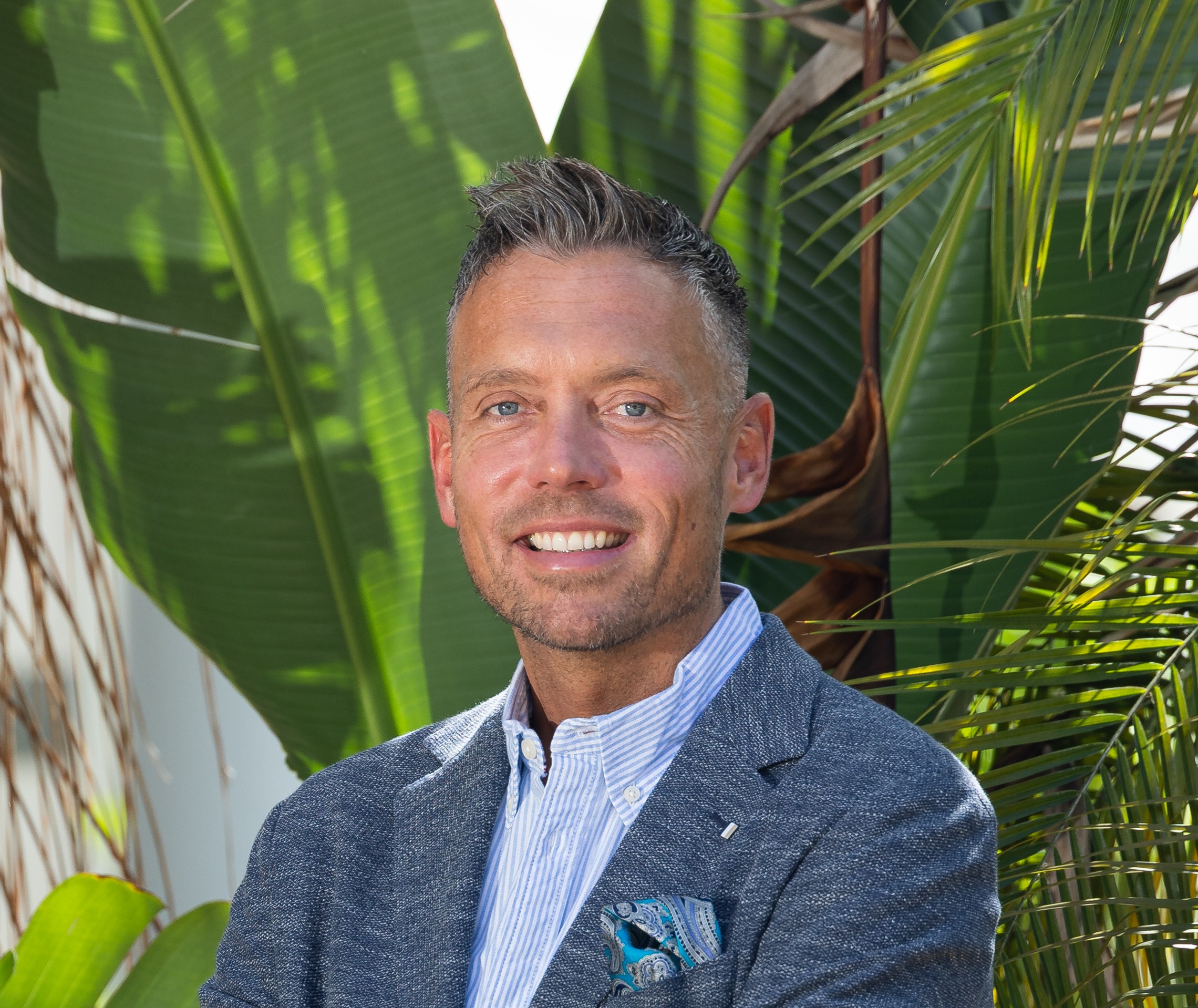
Scott Ward MBA CCMI
Scott Ward is the founder and CEO of Humanise Solutions, which he established three years ago to help organisations elevate their people, leadership and culture through a human-centric, evidence-based approach. Before moving into business and academia, Scott spent seven years as a professional footballer, playing for Luton Town, Crawley Town and Coventry City FC until injury brought his playing career to a close — a turning point that shaped both his research interests and his approach to leadership.
Scott holds an MBA from Warwick Business School, where his research explored the causal relationship between trauma and decision-making — work that continues to inform how he supports young adults, leaders and teams under pressure. Recognised as a Companion of the Chartered Management Institute (CCMI), its highest grade of membership, he combines academic rigour with the discipline, resilience and team-first mindset of the professional game. At the heart of everything he does is a simple belief: that people perform at their best when they are led, developed and valued as human beings first.
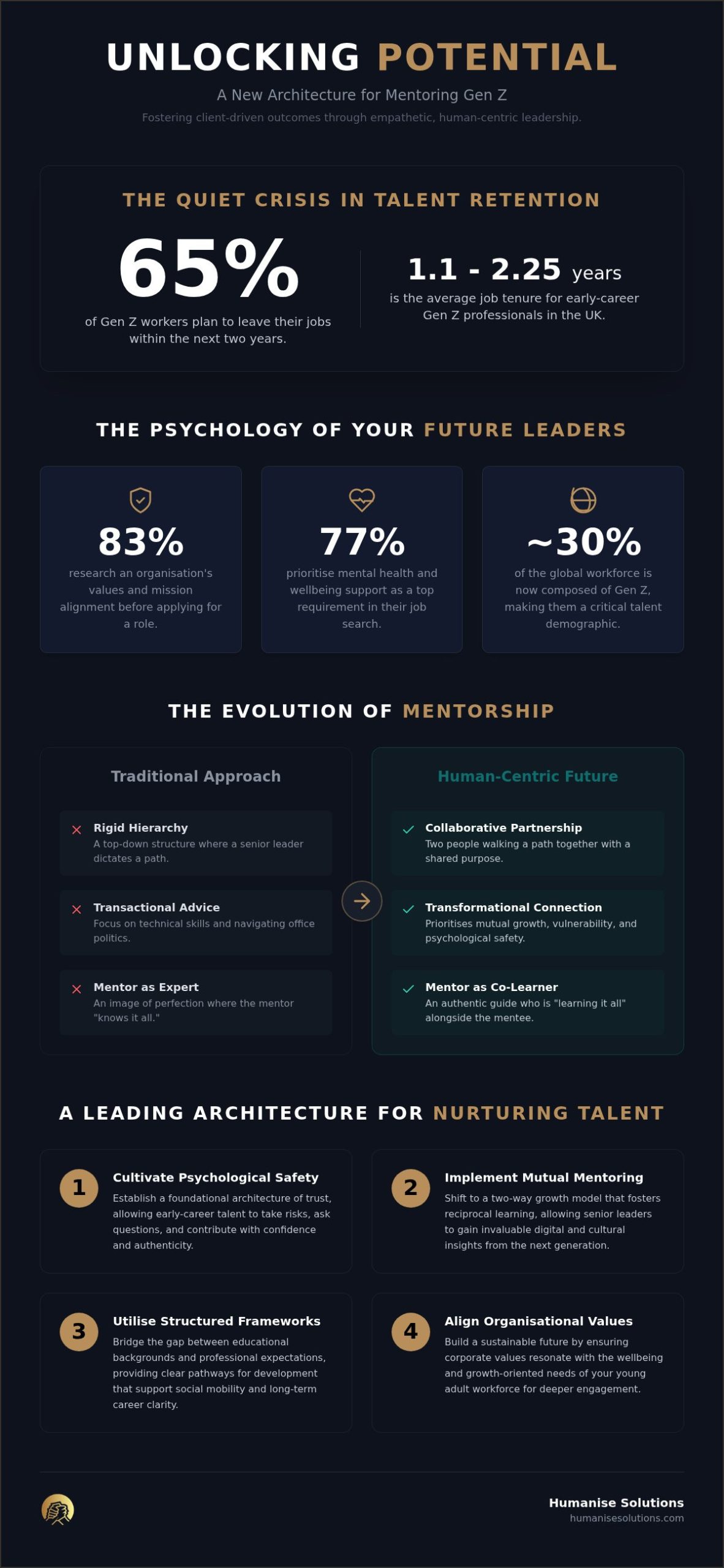
With 65% of Gen Z workers planning to leave their jobs within two years, the traditional methods of professional development are facing a quiet crisis. This isn’t a sign of a lack of ambition; it’s a call for a more empathetic approach to mentoring gen z in the workplace. You’ve likely noticed the widening communication gaps. Aligning corporate values with individual expectations has never felt more challenging.
We understand that building a cohesive, multi-generational workforce requires more than just standard training protocols. It demands a leading architecture of human connection. In this guide, you’ll discover how to evolve your mentorship programmes to engage young talent through authenticity and psychological safety. By focusing on mutual growth and human-centric learning, you can reduce turnover and unlock the immense potential of your future leaders whilst fostering a culture where every generation feels truly seen and supported.
Key Takeaways
- Shift from rigid hierarchies to collaborative partnerships that prioritise human connection and a shared sense of purpose.
- Cultivate psychological safety as the foundational architecture for learning, allowing early-career talent to contribute with confidence and authenticity.
- Implement mutual mentoring gen z in the workplace to foster two-way growth and gain invaluable digital insights from the next generation of leaders.
- Utilise structured frameworks for nurturing leadership to bridge the gap between educational backgrounds and professional expectations whilst supporting social mobility.
- Build a sustainable future by aligning your organisational values with the wellbeing and growth-oriented needs of your young adult workforce.
Redefining Mentorship for the 2026 Workplace
The workplace of 2026 has outgrown the rigid, top-down structures of the past. For Gen Z, who now make up nearly 30% of the global workforce, the old “command and control” style of leadership feels alien and restrictive. Effective mentoring gen z in the workplace has evolved into a collaborative, human-centric partnership. It’s no longer about a senior leader dictating a path; it’s about two people walking it together. This shift reflects broader employee engagement trends where purpose and inclusion are non-negotiable whilst traditional hierarchies are falling away.
Instead of simply giving answers, modern mentors facilitate growth by asking the right questions. This leading architecture of development ensures that the mentee isn’t just following a blueprint but is actively building their own capacity for leadership. It moves the focus from short-term tasks to long-term flourishing. When we prioritise the human experience, we create a resilient workforce capable of navigating the rapid advancements in technology and social dynamics that define our current era.
The Evolution of the Mentor-Mentee Relationship
We are witnessing a move away from transactional advice toward transformational connection. While traditional mentorship models often focused on navigating office politics or technical skills, the 2026 landscape requires a more empathetic approach to professional development. Unlocking potential now requires senior leaders to embrace vulnerability. By sharing their own setbacks and learning curves, mentors create a space where psychological safety can flourish. This humanises the professional experience, turning a standard career path into a journey of shared discovery and mutual respect. It’s about moving from a mentor who “knows it all” to one who is “learning it all” alongside their mentee.
Why Mentorship is the Key to Retention
The cost of junior staff turnover in the UK remains a significant burden for many organisations. With Gen Z average job tenures early in their career sitting between 1.1 and 2.25 years, the need for deep-rooted loyalty is urgent. Successful mentoring gen z in the workplace provides the sense of belonging that this generation craves. When a young adult feels that their growth is a priority for the business, their commitment to the organisation’s goals deepens. It’s about providing long-term career clarity. By fostering these connections, companies move from being a temporary stop on a CV to becoming a supportive home for professional flourishing. This focus on individual wellbeing is a cornerstone of nurturing leadership that ultimately drives team excellence and sustainable growth.
The Psychology of Gen Z: Values, Authenticity, and Wellbeing
For Gen Z, professional life is rarely a separate compartment from personal identity. It is a canvas for purpose and a platform for values. When understanding Gen Z’s workplace expectations, we see that 83% of this cohort researches a company’s values before even applying. They aren’t just seeking a career; they are seeking alignment. Mentoring gen z in the workplace requires us to acknowledge this deep-seated need for meaning and connection. If the individual’s personal ethics don’t resonate with the organisation’s mission, engagement will inevitably falter.
This generation’s entry into the workforce was shaped by unprecedented disruption, from the COVID-19 pandemic to the rapid rise of AI. These factors fostered a heightened sensitivity to global uncertainty. It’s why 77% of Gen Z workers now prioritise mental health support as a top job requirement. Mentors must act as anchors in this storm. They provide the stability and empathetic guidance necessary for long-term flourishing, ensuring that the transition into professional life feels supported rather than overwhelming.
Fostering Wellbeing as a Professional Competency
We believe that a mentor’s responsibility extends to the whole person. It is impossible to unlock professional potential whilst the individual is struggling under the weight of burnout or anxiety. Mentors should be trained to recognise subtle shifts in behaviour, such as sudden withdrawal or a decline in creative risk-taking, which often signal emotional exhaustion. Psychological safety is the shared belief that one can take risks, express concerns, and admit mistakes without fear of judgment or professional reprisal. By embedding this into our fostering wellbeing initiatives, we create an environment where true learning can take place.
The Demand for Radical Authenticity
Trust is the primary currency of effective mentorship. Gen Z has a keen eye for the “corporate mask” and will quickly disengage from leaders who project an image of perfection. Authenticity involves modelling leadership through the lens of one’s own challenges and growth. This transparency builds a bridge of connection that transactional models simply cannot replicate. Real-time feedback is equally vital. Since 70% of Gen Z prefer in-person feedback for important conversations, mentors should prioritise direct, honest dialogue. This approach doesn’t just correct mistakes; it validates the individual’s contribution and reinforces their sense of belonging within the team. Effective mentoring gen z in the workplace depends on this foundation of radical honesty and mutual respect.
Moving Beyond Hierarchy: The Rise of Mutual Mentoring
Traditional mentoring has long relied on a one-way flow of information. A senior figure provides wisdom, and the junior employee receives it. Whilst this model has its merits, it often fails to capture the full spectrum of talent available in a modern organisation. Mutual mentoring, or reverse mentoring, dismantles this rigid hierarchy. It creates a space where both parties are simultaneously teachers and students. This leading architecture for professional growth ensures that mentoring gen z in the workplace becomes a catalyst for organisational agility.
By levelling the playing field, mutual mentoring promotes a deeper sense of inclusion. It allows junior staff to feel that their unique perspectives are valued by leadership from day one. This model is particularly effective in supporting women leadership development. It breaks down the invisible barriers that often prevent early-career women from accessing senior networks. When we facilitate these two-way connections, we don’t just transfer knowledge; we build a culture of mutual respect and shared potential.
The Benefits of Reverse Mentorship for Senior Leaders
Senior leaders gain as much as they give in these partnerships. In a world where technology evolves weekly, staying relevant requires direct access to digital natives. Gen Z mentors can offer senior executives fresh insights into emerging trends and consumer behaviours. Beyond technical skills, this exchange helps leaders develop more empathetic, nurturing leadership styles. By gaining direct insight into the junior employee experience, executives can make more informed decisions that improve retention and foster team excellence. It’s a pragmatic way to ensure leadership remains grounded in the realities of the modern workforce.
Implementing Mutual Mentoring Programmes
Success in mutual mentoring requires a well-constructed framework. Pairing senior and junior staff shouldn’t be random; it should be based on complementary skills and a shared commitment to growth. We suggest following these steps:
- Define clear objectives: Ensure both participants know what they hope to learn from each other.
- Set boundaries: Establish a safe space where honest feedback is encouraged but professional boundaries are maintained.
- Measure success: Track qualitative outcomes like increased confidence, improved digital fluency, and stronger cross-generational relationships.
These programmes are central to our Learning & Development strategies. They ensure that growth is not a destination but a continuous, human-centric process. When we organise mentorship as a reciprocal journey, we unlock the potential of every individual, regardless of their rank or tenure.
Practical Strategies for Nurturing Young Adult Talent
Transitioning from the structured environment of education to the fluid realities of the modern office is a significant leap. For many, this shift is where the journey of professional flourishing either takes root or begins to wither. Effective mentoring gen z in the workplace acts as a vital bridge during this period. It isn’t just about technical proficiency; it’s about building the confidence required to contribute meaningfully to a team. By focusing on the human experience of entry-level work, we can transform a daunting transition into a period of rapid, sustainable growth.
Bridging the Gap: From Education to Excellence
Mentors should act as navigators of corporate culture, helping junior staff decode the unwritten rules of the professional world. This is particularly crucial for social mobility. Individuals from diverse socio-economic backgrounds may not have had prior exposure to corporate environments. Supporting “soft skill” development, such as conflict resolution and collaborative communication, provides the leading architecture these young adults need to thrive. Our Young Adult Programmes are designed to address these specific needs, ensuring that every individual has the foundational excellence required to succeed regardless of their starting point.
A Human-Centric Feedback Framework
Traditional annual reviews are obsolete for a generation that thrives on real-time connection. Gen Z’s engagement is 43% higher when they receive regular peer recognition, making frequent, low-stakes check-ins essential. These conversations should focus on a growth mindset, framing challenges as opportunities for development rather than failures. Successful mentoring gen z in the workplace requires delivering constructive criticism with empathy at its core. It’s about providing clear, actionable insights whilst reinforcing the individual’s value to the team. This steady, methodical approach to feedback builds trust and encourages resilient behaviour over the long term.
Empowering Women and Under-represented Groups
Unlocking the potential of young women and under-represented groups requires bespoke support that acknowledges their unique barriers. Mentoring strategies in these contexts must go beyond standard advice to address systemic challenges like imposter syndrome or a lack of visible role models. By creating inclusive pathways and specialised tracks for Women leadership, organisations can ensure that diverse talent isn’t just recruited but nurtured into future leadership roles. This intentional design is what separates a standard mentoring scheme from a truly transformative leadership architecture.
Building a Sustainable Future with Humanise Solutions
The future of any organisation depends on its ability to evolve alongside its people. We’ve seen that traditional models are shifting, but the core need for human connection remains constant. Effective mentoring gen z in the workplace serves as the vital link between current success and future sustainability. It transforms the professional environment from a place of mere production into a space for human flourishing. When we prioritise empathy and psychological safety, we don’t just retain staff; we unlock the latent potential that drives innovation and long-term stability.
Our Approach to Nurturing Leadership
Our methodology is fundamentally driven by unlocking potential with empathy and leading architecture for client driven outcomes. We design bespoke Learning & Development programmes that go beyond surface-level workshops. These initiatives are rooted in the belief that leadership is a quality to be nurtured at every level, starting from the very first day of an employee’s career. By focusing on early careers development programme UK strategies, we help organisations build a pipeline of talent that is resilient, adaptable, and deeply aligned with corporate values. Partnering with a specialist consultant ensures that your mentorship strategies are evidence-based and tailored to your specific goals. This strategic investment provides a clear return by reducing the high costs of turnover and fostering a culture of team excellence.
Taking the Next Step in Talent Development
The journey towards a more humanised workplace is a deliberate one. It requires a commitment to sustainable growth and a willingness to challenge outdated hierarchical norms. At Humanise Solutions, we specialise in creating inclusive team cultures where every generation can thrive together. Our Young Adult Programmes provide the structural support needed to bridge the gap between education and professional excellence. By investing in these frameworks today, you are not just solving the challenges of 2026; you are building a legacy of nurturing leadership that will sustain your organisation for decades to come.
The path to professional flourishing is clear. It begins with a shift in perspective and a commitment to the growth of your future leaders. We invite you to explore our Young Adult Programmes to transform your workforce and discover how a human-centric approach can elevate your entire organisation.
Cultivating the Next Generation of Visionary Leaders
The shift toward a more human-centric professional landscape is both inevitable and necessary. Embracing this evolution allows organisations to move beyond rigid hierarchies and build a resilient culture of continuous learning. By redefining mentoring gen z in the workplace as a reciprocal partnership, you create a space where authenticity and psychological safety flourish. This approach doesn’t just improve retention; it unlocks the immense potential of early-career talent whilst staying rooted in logic and evidence-based methodologies.
As specialists in early careers and social mobility, Humanise Solutions provides the leading architecture needed to foster wellbeing and team excellence. We help you bridge the gap between educational entry and professional mastery with frameworks designed for long-term sustainability and human flourishing. It’s time to transition from traditional oversight to a model of nurturing leadership that values the whole person. Discover how our Young Adult Programmes can transform your workplace culture. Together, we can nurture the leaders who will shape a more compassionate and inclusive future for everyone.
Frequently Asked Questions
What are the main challenges when mentoring Gen Z in the workplace?
Communication gaps and misaligned values are the primary hurdles. Gen Z prioritises purpose and mental health support, which can clash with traditional corporate structures. Mentors often struggle to move from a “command and control” style to the collaborative, empathetic approach this generation expects. Overcoming these hurdles requires a focus on psychological safety and radical authenticity to build lasting trust and unlock professional potential.
How does reverse mentoring benefit senior management in UK firms?
Senior leaders gain direct exposure to digital-native perspectives and emerging technological trends. This reciprocal exchange helps executives develop more nurturing leadership styles and provides raw insight into the junior employee experience. In a rapidly changing landscape, these insights are vital for maintaining organisational agility. It ensures that leadership decisions remain grounded in the reality of the modern workforce whilst fostering team excellence.
Why is psychological safety so important for Gen Z employees?
Psychological safety acts as the foundational architecture for all learning and risk-taking. Gen Z employees, who often face high levels of global uncertainty, need to know they can admit mistakes or voice concerns without fear of reprisal. Without this safety net, early-career talent is likely to withdraw, stifling their potential. Creating this environment is a prerequisite for any meaningful professional growth and long-term flourishing.
Can mentoring programmes really improve Gen Z employee retention?
Structured mentoring programmes significantly increase organisational loyalty by fostering a deep sense of belonging. Providing a clear pathway for growth is essential for retaining early-career staff. When mentoring gen z in the workplace focuses on the “whole person” and their long-term career clarity, employees feel valued and supported. This intentional investment in their future makes them far more likely to commit to the organisation’s long-term goals.
What is the difference between coaching and mentoring for young adults?
Mentoring is a long-term, transformational relationship focused on overall professional flourishing and personal growth. In contrast, coaching is usually more transactional, targeting specific skills or short-term performance goals. For young adults entering the workforce, the holistic guidance of a mentor is more effective at unlocking potential. It helps them navigate the complex unwritten rules of corporate culture whilst building the resilience needed for a sustainable career.
How can I start a mentoring programme for women in leadership?
Begin by designing a leading architecture that addresses the specific barriers faced by women, such as a lack of visible role models. You should pair high-potential women with senior mentors who can provide both advocacy and empathetic guidance. Focus on creating specialised tracks within your Learning & Development initiatives that prioritise inclusive growth. This ensures you provide the structural support necessary for women to transition into senior leadership roles successfully.
How often should mentors and Gen Z mentees meet for best results?
Regularity is more important than duration, so we recommend brief, high-impact check-ins at least once a fortnight. Gen Z thrives on real-time feedback rather than the traditional annual review. These frequent interactions build a steady rhythm of trust and allow for immediate course correction. They ensure the mentee feels supported whilst maintaining the momentum of their development journey, leading to more consistent and client driven outcomes.
What role does social mobility play in early careers mentoring?
Mentoring serves as a vital tool for social mobility by providing individuals from diverse backgrounds with the “soft skills” and networks they might otherwise lack. It levels the playing field, ensuring that talent alone determines success. By acting as navigators of corporate culture, mentors help unlock the potential of under-represented groups. This leads to more inclusive teams and ensures that your early careers development programme UK delivers meaningful, long-term impact.