Article by
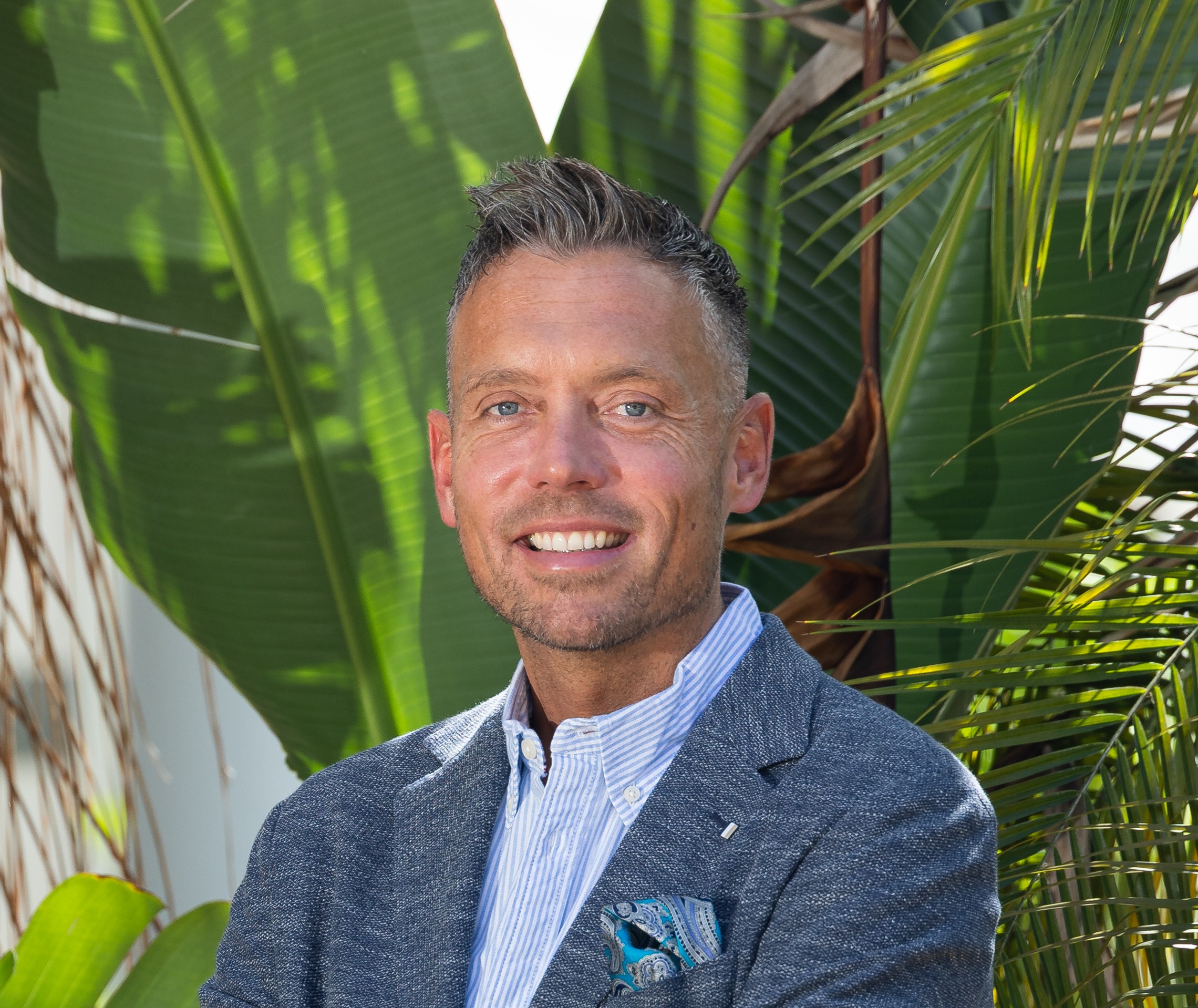
Scott Ward MBA CCMI
Scott Ward is the founder and CEO of Humanise Solutions, which he established three years ago to help organisations elevate their people, leadership and culture through a human-centric, evidence-based approach. Before moving into business and academia, Scott spent seven years as a professional footballer, playing for Luton Town, Crawley Town and Coventry City FC until injury brought his playing career to a close — a turning point that shaped both his research interests and his approach to leadership.
Scott holds an MBA from Warwick Business School, where his research explored the causal relationship between trauma and decision-making — work that continues to inform how he supports young adults, leaders and teams under pressure. Recognised as a Companion of the Chartered Management Institute (CCMI), its highest grade of membership, he combines academic rigour with the discipline, resilience and team-first mindset of the professional game. At the heart of everything he does is a simple belief: that people perform at their best when they are led, developed and valued as human beings first.
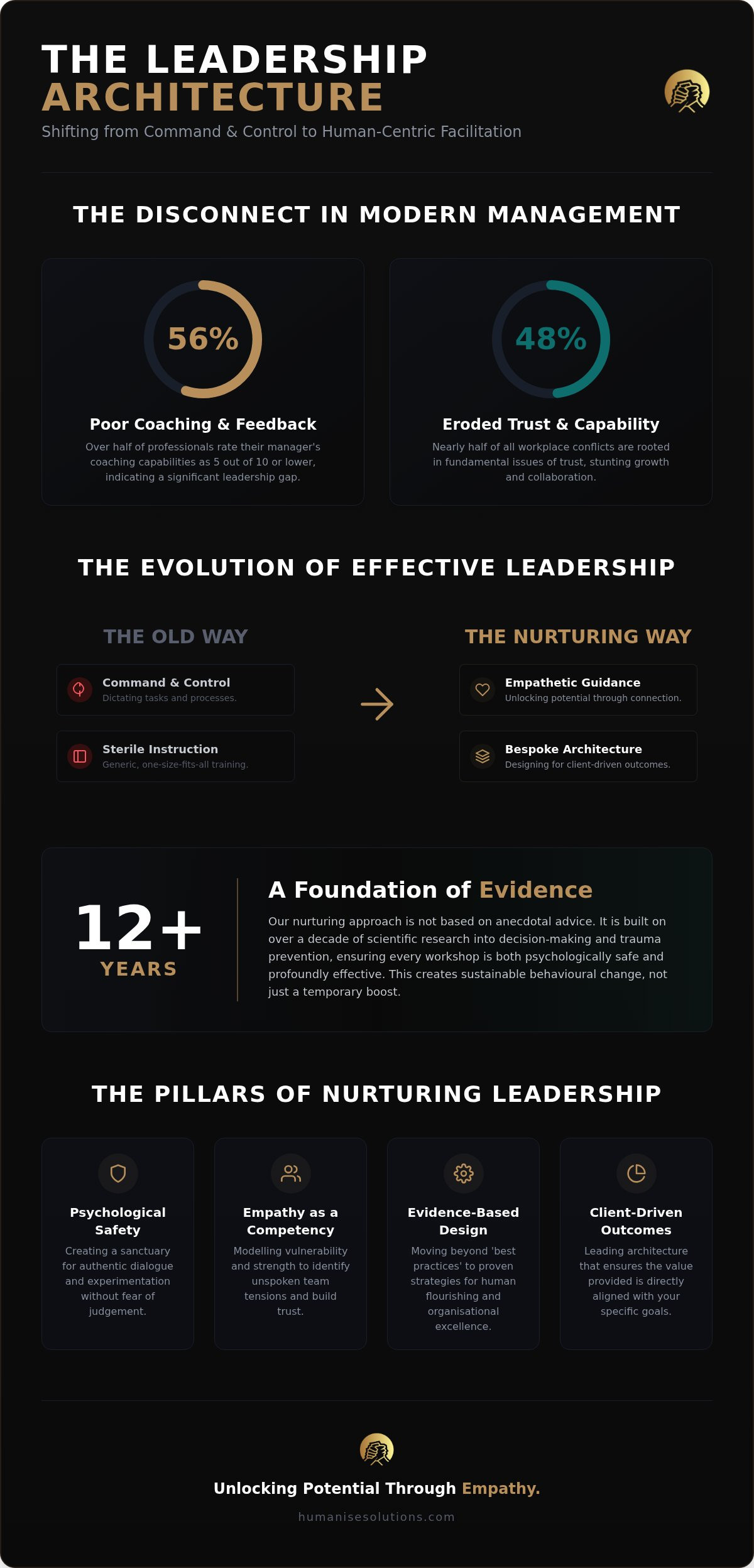
When 56% of professionals rate their manager’s coaching and feedback capabilities as 5 out of 10 or lower, it’s clear that traditional corporate training is failing to bridge the gap between oversight and actual inspiration. You’ve likely felt the frustration of watching talented middle managers leave or seeing engagement levels dip despite numerous development days. It’s exhausting to invest in programmes that don’t stick, especially when 48% of workplace conflicts are rooted in fundamental issues of trust and capability. Finding the right leadership workshop facilitators shouldn’t feel like a gamble; it should be an architectural shift toward human flourishing.
We understand that you want more than a temporary boost in morale. You’re looking for sustainable behavioural change that transforms your leadership team from task managers into empathetic guides. This article explores how a blend of twelve years of scientific research and nurturing guidance can revitalise your organisational culture. We’ll examine the transition from sterile instruction to evidence-based facilitation that prioritises psychological safety, ensuring your leaders are prepared for upcoming regulatory shifts like the Employment Rights Act 2025 in October 2026 whilst building a workplace where every individual feels truly seen and supported.
Key Takeaways
- Understand the vital shift from traditional “command and control” instruction to human-centric facilitation that prioritises empathy and psychological safety in the modern workplace.
- Discover how to select the right leadership workshop facilitators by evaluating their research foundations, feedback ratings, and commitment to bespoke programme design.
- Learn why specialised, nurturing guidance is essential for empowering women leaders and supporting young adults through trauma-informed development.
- Explore the “Nurturing Leadership” philosophy, which leverages twelve years of scientific research to drive sustainable behavioural change and long-term organisational excellence.
- Identify the framework for moving beyond simple task management toward a leadership architecture that focuses on human flourishing and genuine connection.
The Evolving Role of Leadership Workshop Facilitators in 2026
The corporate world has undergone a profound transformation. The days of “command and control” instruction have faded, replaced by a demand for leadership that prioritises the human experience. Modern leadership workshop facilitators are no longer just dispensers of information; they’re architects of culture. They don’t just teach; they nurture. This shift is essential because 56% of professionals currently rate their manager’s coaching and feedback capabilities as 5 out of 10 or lower. We need a new approach that moves beyond the sterile delivery of slide decks.
A traditional trainer might focus on the mechanics of management. In contrast, the role of a facilitator is to guide a group toward collective growth by unlocking individual potential. This requires a sophisticated blend of empathetic warmth and evidence-based confidence. By focusing on leading architecture, workshops become driven by specific client outcomes rather than generic curriculum. It’s about building a leadership team that nurtures potential rather than just managing tasks.
Beyond the Mechanics: Empathy as a Core Competency
Effective facilitation isn’t about controlling a room. It’s about creating a sanctuary for authentic dialogue. When facilitators lead with empathy, they identify the unspoken tensions that stifle a team’s progress. They model the very “nurturing leadership” they aim to instil, showing that vulnerability and strength aren’t mutually exclusive. This approach builds psychological safety. It allows leaders to experiment with new behaviours without fear of judgement. By creating this space, facilitators help teams move from conflict toward trust and capability.
The Impact of Scientific Research on Facilitation
Meaningful change requires more than anecdotal advice. It demands a foundation of logic and methodology. By utilising over 12 years of research into decision-making and trauma prevention, leadership workshop facilitators can design environments that are both safe and challenging. This evidence-based approach ensures that workshops aren’t just one-off events. Instead, they’re the start of sustainable behavioural change. We use this research to help leaders understand the “why” behind their actions, moving from “best practices” to proven strategies for human flourishing. Our approach prioritises bespoke learning design, ensuring the value provided is directly aligned with your specific goals. You can explore how we apply these principles across our services to foster wellbeing and team excellence.
What is a Nurturing Leadership Facilitator?
A nurturing leadership facilitator is a professional who transcends the role of a traditional instructor. They are visionary guides who elevate individuals through a sophisticated blend of empathetic warmth and evidence-based confidence. While many leadership workshop facilitators focus purely on the mechanics of group discussion, a nurturing facilitator prioritises the human experience. Their core philosophy revolves around unlocking latent potential whilst maintaining a sharp focus on organisational excellence. This is achieved through leading architecture, a method where every session is meticulously structured to meet specific, client-driven goals.
These facilitators don’t dictate from a distance. Instead, they position themselves as partners in a journey of development. They display a high level of emotional intelligence, showing a keen awareness of social dynamics and individual needs. By balancing being a visionary guide with being a grounded expert, they ensure that while the goals are high-reaching, the foundation remains rooted in logic and methodology. This creates a rhythmic flow where bold declarations of potential are immediately supported by thoughtful, descriptive reasoning.
Scientific Foundation and Trauma Prevention
True transformation isn’t accidental. It’s the result of rigorous methodology. By integrating over 12 years of research into decision-making and trauma prevention, facilitators create environments where leaders feel safe to explore their own behaviours. This scientific lens is crucial. It ensures that workshops don’t cause unintended stress or psychological discomfort. Instead, they foster a culture of resilience and psychological safety. For data-driven leaders who might be sceptical of “soft skills”, this evidence-based approach builds immediate trust. It proves that empathy isn’t just a nice-to-have; it’s a measurable driver of performance and wellbeing.
Certified Excellence: The Role of ILM Programmes
Quality in facilitation shouldn’t be left to chance. Utilising Leadership ILM Programmes provides a recognised, high-standard framework that ensures consistency across an organisation. These certified programmes offer a foundation of logic and credibility. However, the real value lies in how this framework is adapted. Bespoke learning design always outperforms off-the-shelf modules because it respects the unique social dynamics of your team. Our leadership workshop facilitators don’t just deliver content; they partner with you to design a journey that fits your specific needs. If you’re ready to see how this architectural approach can change your team’s trajectory, you might want to start a conversation with our experts today. This methodical pace ensures that change is sustainable, building a leadership team that truly nurtures potential.
Evaluating External Facilitators: A Framework for Organisational Growth
Choosing between internal delivery and external expertise is a pivotal decision for any growth-oriented business. While internal teams understand the company shorthand, external leadership workshop facilitators provide the objective distance required to challenge entrenched patterns. They bring a fresh architectural perspective that internal voices often struggle to maintain. This specialist guidance is particularly crucial during high-stakes periods like Post-Merger Success or significant Change & Transformation, where neutral, expert navigation is required to align disparate cultures.
When selecting a partner, look beyond “star power” and charismatic delivery. True excellence is found in the intersection of research-backed methodology and proven results. A facilitator’s feedback rating is a clear window into their effectiveness; a benchmark like our 9.98/10 rating demonstrates a consistent ability to resonate with diverse audiences. You should prioritise facilitators who can demonstrate a robust research background, ensuring their guidance isn’t just anecdotal but rooted in the logic of human behaviour and decision-making.
Assessing the “Human-Centric” Fit
A visionary facilitator doesn’t just look at individual performance. They examine Organisational Behaviours as a whole. This systemic view allows them to address complex Equality, Diversity & Inclusion (ED&I) dynamics with nuance and care. It’s helpful to seek out facilitators whose infrastructure is built from a blend of elite sport and corporate experience. This dual perspective provides a unique understanding of high-pressure performance and the social connection required to sustain it. They don’t just manage the room; they cultivate a space where every voice contributes to the collective potential.
Measuring ROI and Long-Term Impact
The value of facilitation shouldn’t end when the workshop concludes. It’s about Building Team Excellence that lasts. Effective programmes include Training Evaluation and Performance Review modules to track sustainable behavioural change over time. High engagement is another vital metric. When you see 100% completion rates, it’s a strong indicator that the facilitation was relevant, supportive, and deeply invested in the participants’ growth. This methodical approach ensures that your investment translates into a leadership team that nurtures potential and drives long-term success.
Specialised Facilitation: Women Leaders and Young Adults
Generic leadership development often overlooks the distinct hurdles faced by specific demographics. For leadership workshop facilitators, the mission is to create bespoke pathways that acknowledge these nuances rather than ignoring them. In the context of Empowering Women in the Workplace, facilitation must move beyond basic skill-building. It requires a deep understanding of systemic barriers and the psychological safety needed to dismantle them. By utilising bespoke tracks like Women Leadership ILM, we provide a structured architecture that fosters unique growth opportunities and elevates the internal qualities of resilience and confidence.
When we look at the younger workforce, the need for specialised support is even more acute. Currently, 31% of NEETs cite mental-health barriers as a primary obstacle to employment. This statistic highlights a significant social mobility gap that traditional workshops often fail to bridge. Supportive facilitation acts as a vital link, helping young professionals navigate career transitions with a sense of agency and purpose. It is about more than just job outcomes; it is about cultivating a foundation of wellbeing that supports long-term flourishing.
Nurturing the Next Generation
Facilitating Young Adult Programmes requires a shift in rhythm. Gen Z talent responds best to science-driven wellbeing and authentic social connection. We focus on career transition by blending practical skills with emotional intelligence. This approach prioritises mentoring and support, encouraging a culture of “paying it forward” from the very start of a career. By focusing on these human elements, facilitators help young adults build the resilience needed for a modern professional landscape. It’s a methodical process that ensures they don’t just enter the workforce but thrive within it.
Fostering Inclusive Leadership for All
Building an inclusive team culture is an architectural challenge. Facilitators must lead sessions on Unconscious Bias and Equality In The Workplace with profound empathy and evidence-based confidence. This isn’t about ticking boxes; it’s about organisational design that celebrates unique abilities. When leadership workshop facilitators model inclusive behaviours, they create a blueprint for the entire team to follow. This fosters a workplace where diversity is a driver of excellence rather than a compliance requirement. If you are ready to design a more inclusive future for your team, speak with our specialised facilitators to explore how we can support your specific goals.
Humanise Solutions: Elevating Potential Through Empathetic Leadership
Humanise Solutions stands apart by viewing leadership not as a series of tasks, but as a leading architecture designed for human flourishing. Our leadership workshop facilitators don’t just deliver content; they partner with you to elevate people, leadership, and culture through a scientific lens. This approach is underpinned by twelve years of rigorous research into decision-making and trauma prevention, making us a trusted partner for global corporates and elite sport organisations alike. We believe that Nurturing Leadership is the key to unlocking latent potential, ensuring that every participant feels valued and supported throughout their journey. This isn’t just about professional development; it’s about a deep investment in the psychological well-being of your entire workforce.
Our personality is that of a compassionate expert or a wise mentor. We don’t dictate from a distance but rather position ourselves as a partner in a journey of development. This displays a high level of emotional intelligence, showing a keen awareness of social dynamics and individual needs. We’re both idealistic about what people can achieve and pragmatic about the steps required to get there, projecting an image of a bold innovator who remains deeply rooted in human values. This methodical pace mirrors our commitment to sustainable growth, ensuring the reader feels supported and informed rather than overwhelmed by data or demands.
Our Bespoke Facilitation Process
Our methodology is deliberate and thorough, reflecting our belief that meaningful change takes time and care. We begin by identifying skill gaps within your team, but we don’t stop there. Every session is an opportunity to build personal development action plans that are both ambitious and achievable. We integrate self-care and resilience into our leadership tracks because we know that sustainable performance requires a healthy foundation. Working with our team, led by Scott Ward and Serena Kersten MBE, means you’re benefiting from a unique infrastructure built from elite sport and corporate excellence. This blend of expertise ensures that your leaders aren’t just managed but are mentored by those who understand the pressures of high-stakes environments. It’s a partnership that values social connection and emotional intelligence as much as strategic alignment.
Sustainable Growth and Wellbeing
We’ve seen that the highest returns on investment come when organisations prioritise the human element as the primary driver of success. By Fostering Wellbeing at Work, you’re not just improving morale; you’re building a resilient, high-performing team capable of navigating constant change. There’s a profound synergy between emotional intelligence and team excellence. When leaders possess the tools to navigate complex social dynamics with empathy, the entire culture shifts toward psychological safety. Our leadership workshop facilitators are here to guide you through this transition, helping you move from current challenges to future potential with steady progression. Unlock your team’s potential today by blending science with a deeply human touch, ensuring your leadership team nurtures potential rather than just managing tasks.
Architecting a Culture of Human Excellence
The transition from traditional management to nurturing leadership requires a deliberate architectural shift. We’ve explored how modern leadership workshop facilitators must blend empathetic warmth with rigorous methodology to drive sustainable change. By prioritising psychological safety and inclusive design, organisations can move beyond sterile training toward genuine human flourishing. Our approach is grounded in over 12 years of research-backed methodology, ensuring that every session is both safe and transformative for your people.
Whether you’re supporting women leaders or bridging the social mobility gap for young professionals, the right guidance makes all the difference. With a 9.98/10 feedback rating for programme delivery and a 100% completion rate for all HS programmes, we’re dedicated to achieving your specific, client-driven outcomes. It’s time to transition from task management to a culture that truly nurtures potential. Discover how our facilitators can elevate your team and begin your journey toward organisational excellence today. Your team’s future is bright when it’s built on a foundation of empathy and science.
Frequently Asked Questions
What exactly does a leadership workshop facilitator do?
A leadership workshop facilitator acts as an architect of human potential, guiding teams through a structured journey of development. Unlike traditional trainers who focus on information delivery, these professionals prioritise social connection and psychological safety. They create a sanctuary for authentic dialogue, allowing leaders to explore new behaviours in a supportive environment. By modelling the very qualities they aim to instil, they help teams move from task management toward a culture of genuine nurturing.
How do external facilitators differ from internal HR trainers?
External leadership workshop facilitators offer a level of objective distance that internal HR trainers often cannot maintain. They aren’t restricted by internal hierarchies or office politics, which allows them to challenge entrenched patterns with evidence-based confidence. This outside perspective is vital for identifying unspoken team conflicts. Bringing in a specialist ensures that the learning design is bespoke and driven by your specific organisational goals rather than a generic internal curriculum.
Why is a scientific approach important in leadership facilitation?
A scientific foundation ensures that the development process is rooted in logic and methodology rather than anecdotal evidence. By integrating twelve years of research into decision-making and trauma prevention, facilitators create learning environments that are both safe and effective. This evidence-based approach builds trust with data-driven leaders. It proves that fostering wellbeing and empathy are measurable performance drivers, providing a clear pathway for sustainable behavioural change across the entire leadership team.
How can facilitators help with employee retention and wellbeing?
Facilitators improve retention by transforming the relationship between managers and their teams. When leaders learn to prioritise human flourishing and psychological safety, employees feel more valued and supported. This shift directly addresses the frustrations of professionals who feel their managers lack coaching capabilities. By fostering wellbeing as a core business strategy, facilitators help reduce burnout and create an environment where talented middle management chooses to stay and grow within the organisation.
What should I look for when choosing a facilitator for my organisation?
You should prioritise leadership workshop facilitators who demonstrate a high feedback rating, such as 9.98/10, and a track record of 100% programme completion. Look for a background that blends corporate experience with insights from elite sport to ensure a well-rounded perspective. It’s essential that they offer bespoke learning design rather than off-the-shelf modules. A visionary facilitator will act as a partner in your journey, showing high emotional intelligence and commitment to your specific outcomes.
Can leadership facilitators help with specific issues like burnout or diversity?
Specialist facilitators are uniquely equipped to address complex social dynamics like burnout and diversity. They use leading architecture to design sessions that model inclusive behaviours and celebrate unique abilities amongst team members. By integrating self-care and resilience into the curriculum, they provide leaders with the tools to manage their own wellbeing whilst supporting their teams. This empathetic approach ensures that equality and diversity become central to the organisational design rather than just compliance tasks.
How do you measure the success of a facilitated leadership workshop?
Success is measured through a combination of participant engagement and long-term behavioural shifts. High completion rates and consistent feedback scores provide initial indicators, but true impact is tracked through Training Evaluation and Performance Review modules. We look for observable changes in how leaders nurture potential and handle conflict. This methodical approach ensures that the investment in facilitation translates into a tangible ROI and a more resilient, high-performing organisational culture.
Are specialised programmes available for women or young adults?
Specialised programmes are essential for addressing the unique barriers faced by different demographics. We offer ILM-certified tracks specifically for women leadership and Young Adult Programmes designed for career transition. These tracks acknowledge the specific mental health barriers that often hinder early career progression. By providing supportive, demographic-specific facilitation, we help bridge the social mobility gap and empower individuals to achieve their full potential through nurturing, science-backed guidance.